What Is the Intelligence Cycle: A Practical Framework for Security
The intelligence cycle transforms raw data into actionable security decisions through a continuous loop of planning, collection, and analysis rather than a one-time report.
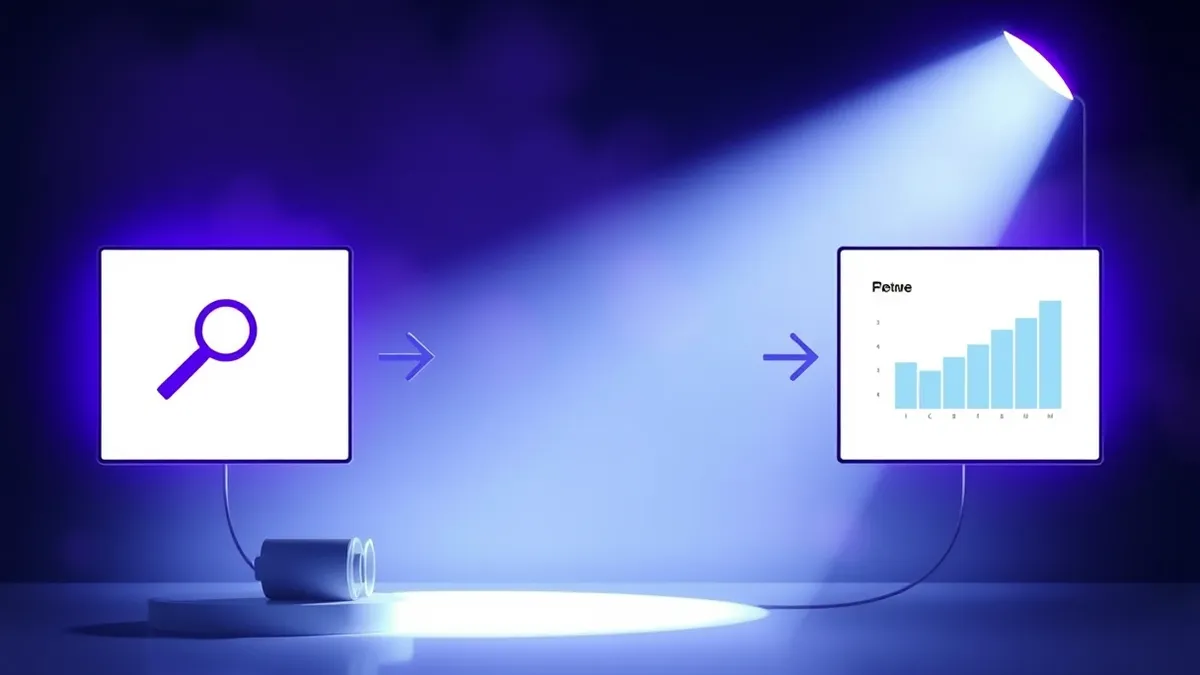
The intelligence cycle is a structured process that turns raw data into actionable security insights. It moves from defining requirements to collecting information, processing it, analyzing patterns, and distributing findings. This loop ensures your security team acts on verified threats rather than noise, reducing alert fatigue and improving response speed.
Understanding the Core Mechanism
Imagine a detective who gathers every single piece of paper found at a crime scene without knowing who the suspect is or what they stole. The detective would drown in irrelevant data. The intelligence cycle prevents this chaos. It starts with a specific question. You define what you need to know. Then you gather only the data that answers that question. This structure applies to cybersecurity as much as it does to national security. It turns overwhelming data streams into clear, actionable steps. You stop reacting to every alert and start anticipating specific threats.
What Is Intelligence Cycle
What is intelligence cycle? It is a continuous, iterative process that converts raw data into usable knowledge for decision-making. The process does not end when a report is written. It begins again with new questions based on the previous answers. This loop ensures your security posture adapts to changing tactics. You identify gaps in your knowledge. You fill those gaps with targeted collection. You analyze the new information. You share the results with those who need them. The cycle repeats, refining your understanding over time.
| Aspect | Detail |
|---|---|
| Direction | Define specific questions and required data sources before collecting anything. |
| Collection | Gather raw data from logs, feeds, and human sources based on the plan. |
| Processing | Organize, filter, and format raw data to make it readable for analysis. |
| Analysis | Interpret processed data to identify patterns, intent, and potential impact. |
| Dissemination | Deliver findings to the right teams in a format they can act upon. |
| Feedback | Use results to refine the next cycle’s questions and collection methods. |
The Planning and Direction Phase
The first step is often skipped or rushed. You must define exactly what you need to know. Vague goals lead to vague results. If you ask "Are we safe?" you will get useless data. If you ask "Is our remote desktop protocol being targeted?" you get specific indicators. This phase determines the entire success of the cycle. You identify the gaps in your current knowledge. You decide which sources are reliable. You set the scope for collection. Without this step, your security team spends hours sorting through data that never answers a real question. This waste of time is a hidden cost of poor planning.
Collection and Processing
Collection is the act of gathering raw data. This includes network logs, threat feeds, and internal reports. Processing is the cleanup. Raw data is messy. It contains duplicates, errors, and irrelevant entries. Processing filters this noise. It standardizes formats. It enriches data with context. For example, an IP address is just a number. Processing might add geolocation data or known malicious associations. This step is critical. If you feed dirty data into your analysis, your conclusions will be wrong. You must validate sources. You must ensure data integrity. Bad input creates bad output.
Analysis: The Human Element
Analysis is where data becomes intelligence. Tools can flag anomalies, but they cannot determine intent. An analyst looks at the processed data and asks "So what?" They connect dots. They identify tactics, techniques, and procedures. They distinguish between a false positive and a real threat. This step requires context. An open port might be normal for a server but dangerous for a workstation. The analyst applies this nuance. They produce a narrative. They explain why the threat matters to your specific environment. This human judgment is what separates data from intelligence.
See also: Implement Log Management: A Step-by-Step Technical Guide · Purple Teaming for Small Teams: Practical Defense Testing
Dissemination and Feedback
The best analysis is useless if no one sees it. Dissemination means delivering the right information to the right people. The network team needs IP addresses. The executive team needs risk summaries. The development team needs code vulnerabilities. Tailoring the message is key. If you send technical logs to executives, they will ignore them. If you send high-level summaries to engineers, they cannot act. Feedback closes the loop. Did the action taken work? Did it miss something? This feedback informs the next planning phase. It ensures the cycle improves with each iteration.
Common Misconceptions
Many organizations misunderstand the intelligence cycle. They treat it as a linear report rather than a continuous process. They buy expensive threat feeds and dump them into their systems. This is collection without direction. It creates alert fatigue. They assume automation replaces analysis. Automation can process data, but it cannot judge intent. They ignore feedback. Without feedback, the cycle does not improve. It becomes a static routine. You must actively manage the cycle. You must adjust based on results. Intelligence is not a product. It is a service.
Applying the Cycle to Operations
You do not need a large team to run this cycle. Small teams can adopt it. Start with a specific problem. Maybe you see unusual login attempts. Define the question. Collect relevant logs. Process them to remove noise. Analyze the patterns. Share findings with your IT team. Act on them. Review the result. Repeat. This disciplined approach reduces panic. It focuses resources on real threats. It builds a culture of evidence-based security. Over time, your team becomes faster and more accurate. You stop guessing. You start knowing. This shift is the true value of the intelligence cycle.
Integrating with Other Practices
The intelligence cycle works best when combined with other security practices. For instance, understanding indicators of attack helps in the collection phase by providing known patterns to look for. When you detect a threat, digital forensics and incident response procedures use the intelligence to contain and remediate the issue.
You might also use honeytokens to detect unauthorized access, feeding that data back into your collection phase. Even monitoring for PowerShell abuse or remote desktop abuse fits into this framework. Each detection is a data point. Each response is feedback. The cycle connects these disparate elements into a coherent strategy.
The Hidden Cost of Ignorance
The biggest risk is not a breach. It is acting on bad information. False positives waste time. False negatives miss threats. The intelligence cycle reduces both. It forces you to verify before you act. It forces you to question your sources. It forces you to learn from every event. This discipline saves resources. It builds trust in your security program. Stakeholders see results, not just activity. They see fewer incidents. They see faster responses. This trust is hard to gain and easy to lose. The cycle protects it.
Key takeaways
- Collection without clear requirements generates noise that overwhelms analysts and hides real threats.
- Analysis adds context to raw data, turning isolated events into a coherent picture of attacker behavior.
- Dissemination fails if the output does not match the operational needs of the team receiving it.
The intelligence cycle turns chaotic data into clear, actionable security decisions through a continuous loop of planning, collection, analysis, and feedback. Start by defining one specific security question and applying this structured process to answer it, rather than reacting to raw alerts.
Frequently asked questions
How long does one cycle take?
The duration varies widely. Some cycles run in minutes for real-time threat detection. Others take weeks for deep strategic analysis. Speed depends on the complexity of the question and the availability of data.
Can small businesses use the intelligence cycle?
Yes. The scale changes, but the principles remain. Small teams can focus on narrow, specific questions. They use available logs and basic tools. The discipline of planning and feedback is valuable regardless of team size.
What tools are needed for the intelligence cycle?
You need data sources, processing tools, and a way to share information. Basic log collectors, spreadsheet software, and communication platforms can suffice for small teams. Larger organizations use specialized security information and event management systems.
How do you measure the success of the intelligence cycle?
Measure by outcomes, not outputs. Did you reduce false positives? Did you detect a threat earlier? Did you respond faster? Success is improved decision-making and reduced risk, not the number of reports generated.
How this guide was produced: written by the SecOps Signal editorial team with AI assistance, checked against the public references listed below, and reviewed when the facts change. See our editorial policy or report an error.